


Vineyards

From the regionto the single site.

Bisamberg and Nussberg, separated by the Danube: two Viennese hills with soils of their own – and six sites you can taste in every glass.
Winegrowing for more than 2,700 years

Regional wines · Vienna

Winegrowing for more than 2,700 years

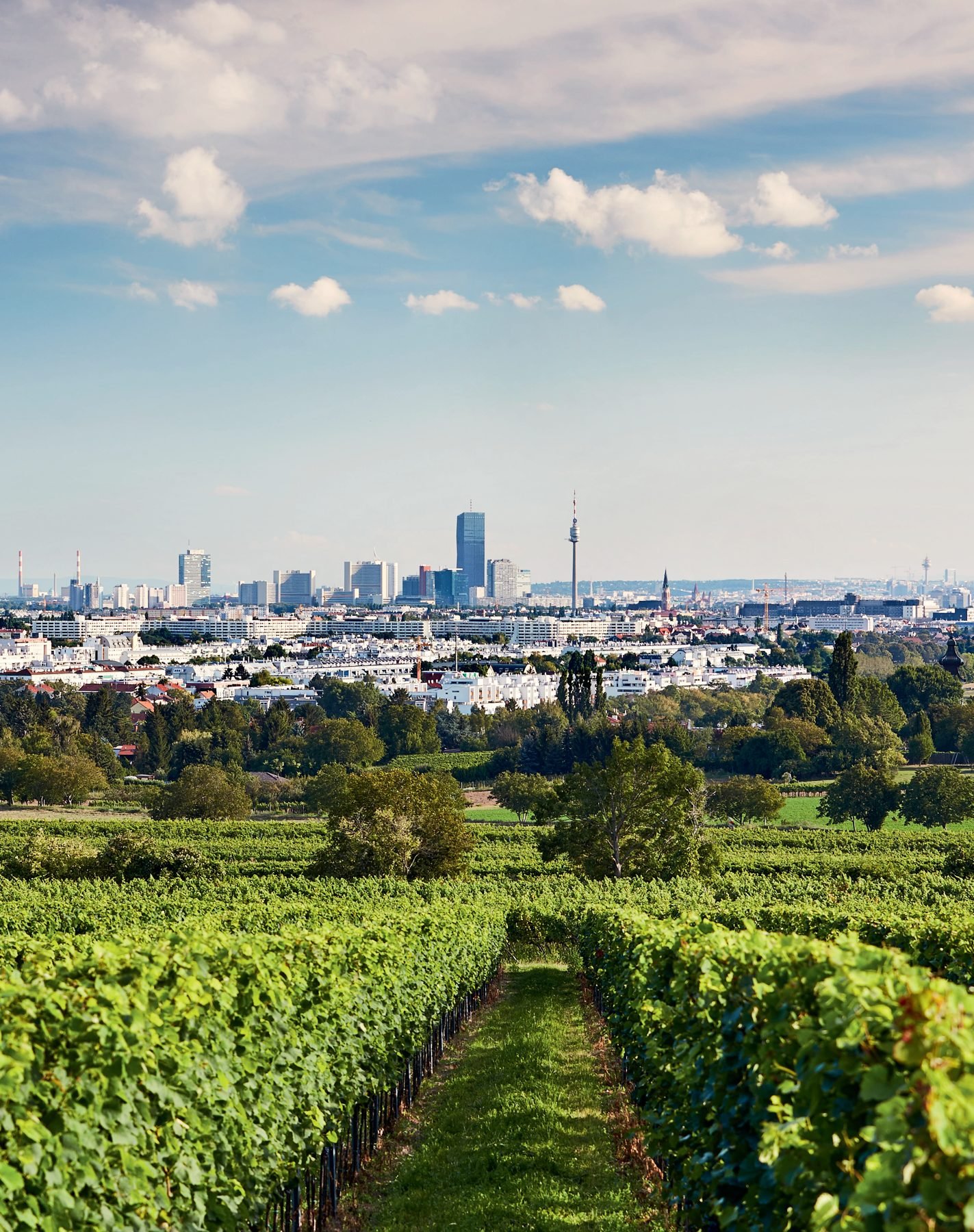
Around 700 hectares of vines grow within the Viennese city limits – strictly protected and tended with great dedication by the city's winegrowers. Even St Stephen's Cathedral was once built among the vines. Especially close to our hearts is the Wiener Gemischter Satz DAC: several white grape varieties grow colourfully mixed together in the vineyard and are harvested and vinified together. No other wine embodies its terroir so impressively while reflecting the spirit of Vienna so well.
  • Around 700 hectares of vineyards within the city limits
  • More than 2,700 years of winegrowing tradition
  • Wiener Gemischter Satz DAC – all of Vienna in one wine

Village Wines

Bisamberg & Nussberg

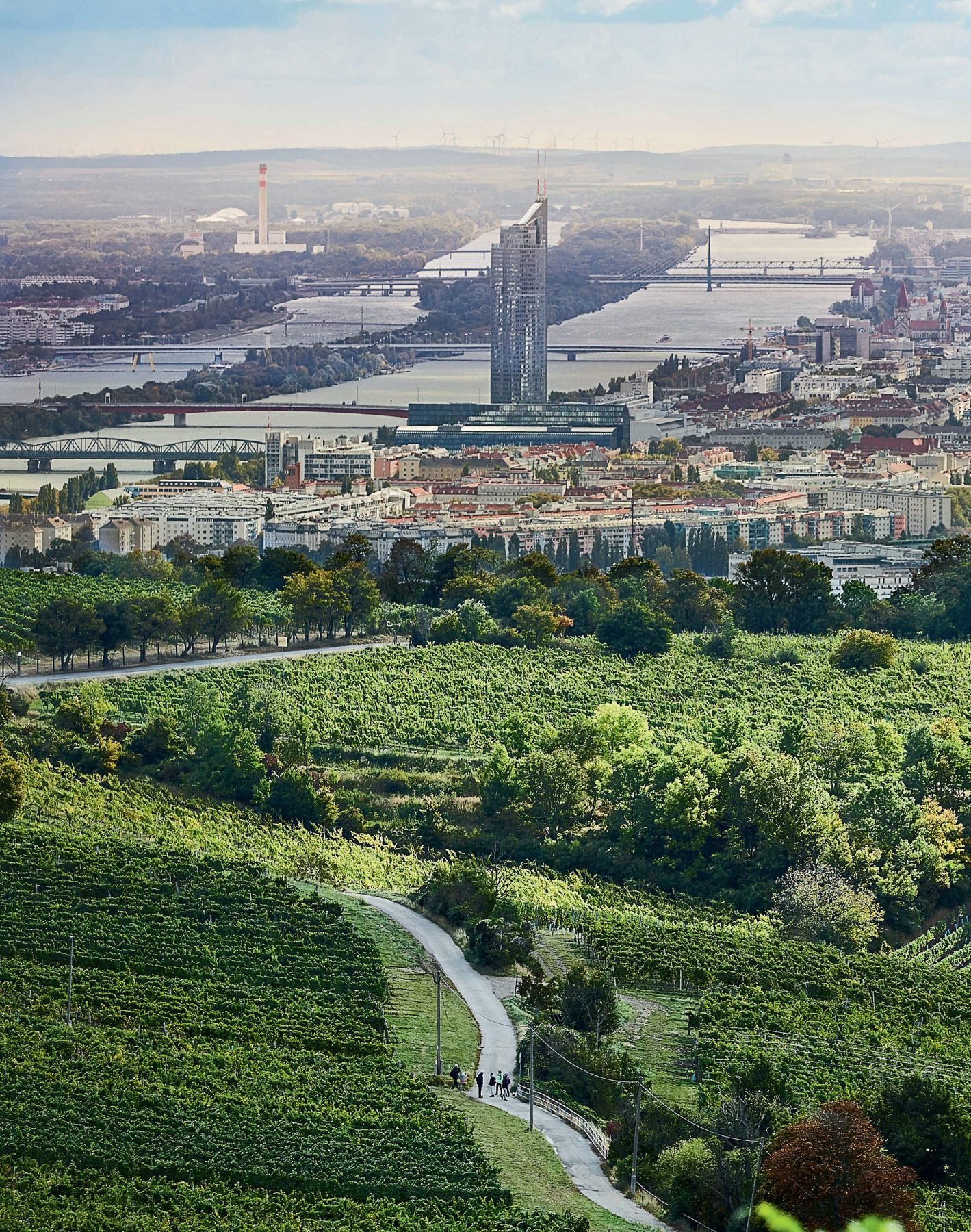
We are lucky to cultivate vineyards on the Bisamberg and the Nussberg. Separated by the Danube, the two hills have different soils and a different climate – and provide us with a wonderfully varied range of wines.
Bisamberg Village wine

Bisamberg

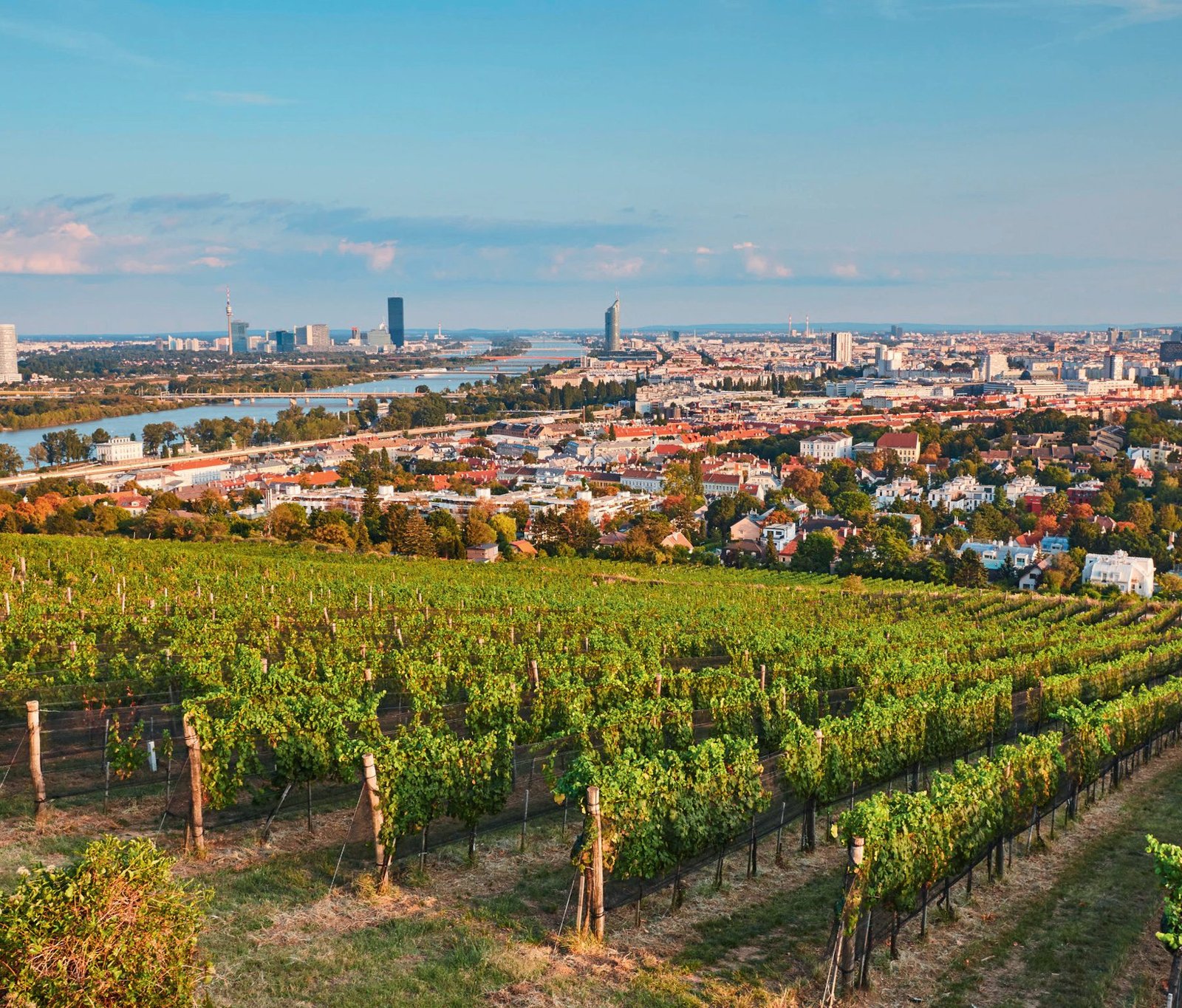
Geologically, the Bisamberg consists of light, sandy loess with excellent water permeability and an extremely calcareous subsoil. It has around 20 per cent less rain than the Nussberg, but more wind and more sun. Typical wines are fruity and fragrant with plenty of freshness and a slightly higher acidity; in the fuller-bodied range, the Chardonnays and all the red wines are particularly expressive.
Nussberg Village wine

Nussberg

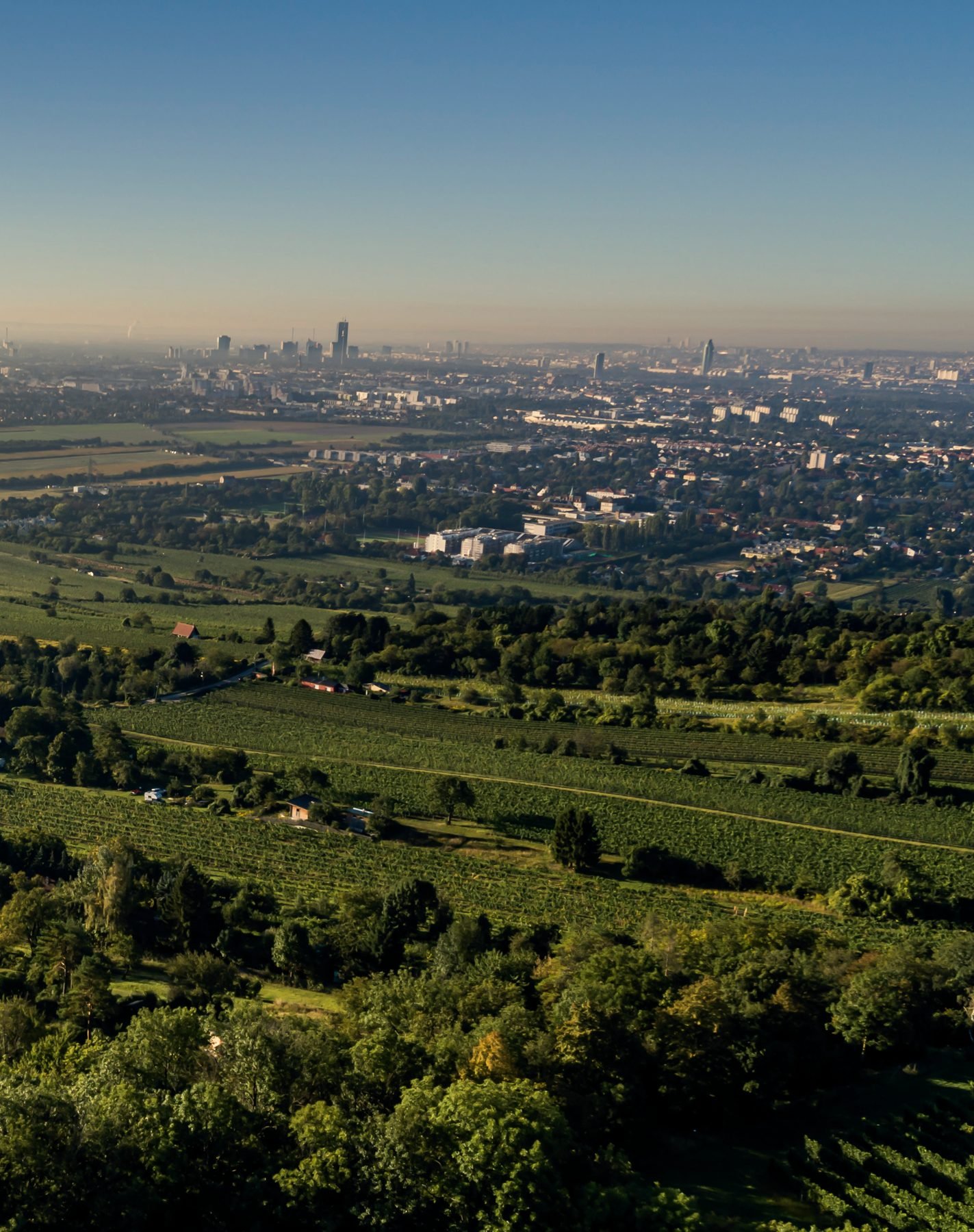
At the Nussberg the soil features weathered shells and limestone with limestone rock in the subsoil, interspersed with veins of quartz. Ideal for Gemischter Satz, Riesling, Grüner Veltliner and Traminer: the heavier soil and the high lime content give creamier wines with darker fruit, moderate acidity and a pronounced minerality.
Single Vineyard Wines

Our sites at a glance

Eight sites on the Bisamberg and the Nussberg – separated by the Danube, with quite different soils. Choose a site for its soil, its key figures and its wines.

Lagenkarte Weingut Wieninger Gezeichnete Karte des Wiener Nordens mit Donau, Wienerwald, Nussberg und Bisamberg sowie den Rieden des Weinguts. 1 2 3 4 5 6 7 8 Weingut Wieninger Donau WIENERWALD NUSSBERG BISAMBERG Stammersdorf Grinzing Sievering Floridsdorf Kahlenbergerdorf Klosterneuburg Strebersdorf N
Our single vineyards Vineyards Woodland Estate Our own illustration. Base map: City of Vienna – data.wien.gv.at (CC BY 4.0), © OpenStreetMap contributors (ODbL).

Bisamberg 1ÖTW

Ried Falkenberg

The single vineyard "Falkenberg" lies on an eastern slope of the Bisamberg in Stammersdorf, in the northernmost part of Vienna. The name of the cru translates to "falcon mountain" and likely refers to historic bird hunting or falconry, which may have served as a secondary source of income for the landowners at the time. Its soil predominantly consists of Viennese sandstone and marine deposits that have weathered to sands at the surface. Loess plays a minor role on the higher parts of this vineyard.

Altitude
240–328 m
Gradient
max. 10°, Ø 5°
Aspect
SE
Soil
Viennese sandstone, shell-limestone

Bisamberg

Ried Herrnholz

The single vineyard "Herrnholz" sits alongside a small forest, from which it received its name. It is an elevated plateau on the Viennese Bisamberg that is slightly tilted towards the south. Here, weathered marine sediments blend with windblown sand to form loess horizons. Essentially, the soil is defined by a dominant share of sand, resulting in prolonged growth and relatively low yields. The soil's high lime content also creates very delicate, complex wines. Wieninger's liveliest Grüner Veltliner, as well as a strikingly aromatic plot of Pinot Noir, come from this particularly light soil.

Altitude
215–231 m
Gradient
max. 9°, Ø 2,5°
Aspect
SSW
Soil
Loess, shell-limestone

Nussberg 1ÖTW

Ried Ulm

The single vineyard "Ulm" rests on a steep southern slope on the eastern end of the Nussberg, right by the Danube River. The soil consists of extremely calcareous shell-limestone, with massive limestone bedrock and minimal clay contents. The name of the cru developed from "Olm" – an ancient term for especially calcareous soil. This plot, in particular, can clearly be identified as the remnant of a Tertiary-era coral reef. Even today, you can still find fossilized shells and snails here.

In 1999, Fritz Wieninger ventured across the Danube to take over his first plot on the Nussberg – and a monopole cru at that. This vineyard is the home of a Wiener Gemischter Satz planted in 1960. These old vines in combination with the exceptional terroir are the foundation of a truly unique wine.

Altitude
207–251 m
Gradient
max. 25°, Ø 10°
Aspect
SE
Soil
Shell-limestone

Nussberg 1ÖTW

Ried Rosengartel

The single vineyard "Rosengartel" is a south-facing slope – known as the filet piece of the Nussberg. Its soil primarily consists of flysch, which was formed by the submarine sedimentation of sandstone, silt, clay, and marl. In addition to abundant deposits of weathered marine sediments, the soil is also characterized by particularly prominent quartz veins. The stone walls at the edge of the vineyard have always been covered with wild roses, which may explain the origin of its name, "rose garden".

Historically, the Ried Rosengartel has established itself as the most precious vineyard sight in the Vienna region. Already during the Habsburg Monarchy, the wines from this cru were among the most sought-after throughout the empire. Then, as now, these single vineyard wines can be found on the world's finest wine lists. This vineyard merges its particularly complex character with an impressive expression of terroir.

Altitude
230–270 m
Gradient
max. 19°, Ø 12°
Aspect
S
Soil
Flysch, shell-limestone, quartz veins

Nussberg 1ÖTW

Ried Preussen

The single vineyard "Preussen" sits on a rather steep southern slope in the center of the Nussberg. Here, flysch meets calcareous sandstone and partially calcareous weathered marine sediments. Where the lime levels are lower, the high quartz content of the sandstone has a particularly significant effect. This unique terroir is the home of our finest Riesling and Grüner Veltliner.

Contrary to popular belief, the name of the cru does not originate from the Prussian Empire. In fact, the name refers to Royal Councillor Heinrich Preussel, who owned valuable fiefs in Nussdorf and along the Danube in the 13th century.

Altitude
210–325 m
Gradient
max. 22°, Ø 9°
Aspect
S
Soil
Flysch, shell-limestone, quartz veins

Untersievering

Ried Kaasgraben

The single vineyard "Kaasgraben" is located in the lower part of Sievering, where marine deposits are not that important anymore. However, the alpine bedrock and its mineral components give the soil special distinction. First mentioned in a document in 1281, the name of the cru derives from the area's once cloudy, iron-rich springs. Locals nicknamed it "Käswasser", which literally translates to "cheese water" meaning whey. The Grüner Veltliner from Ried Kaasgraben is highly expressive and strongly influenced by the minerality of the soil.

Altitude
290–325 m
Gradient
max. 14°, Ø 8°
Aspect
SE
Soil
Alpine bedrock

Bisamberg

Ried Rothen

The single vineyard "Rothen" is nestled high up on the Viennese Bisamberg. Its soil consists of light, sandy loess over solid limestone. The constant wind, relatively low precipitation, and the high drainage capacity of the sandy soils all contribute to a very favorable microclimate.

Following the Burgundian design, the vineyard was planted at a particularly dense spacing of over 10,000 vines per hectare. A motorized weed trimmer and a backpack sprayer for plant protection are the only machines that can be used here – everything else is done by hand. The effort required is many times that of our regular vineyards, but in return we are rewarded with the very best grapes of Pinot Noir.

Altitude
210–250 m
Gradient
max. 19°, Ø 9°
Aspect
S
Soil
Loess

Nussberg

Ried Obere Schos

The single vineyard "Obere Schos" is the linking piece of land between the Ried Preussen and Ried Rosengartel – a grand south-facing slope on the Nussberg. Particularly the lower, steeper part of the vineyard features an exciting plot that produces excellent Pinot Noir. The soil here consists of weathered shell-limestone in combination with quartz-rich flysch rock and a high clay content.

The name of the cru is likely related to its elevated location and may be derived from the term "Oberes Geschoß" – translating to "upper tier". As the vineyard begins at the uppermost edge of the Nussberg, it encompasses the top two-thirds of the slope.

Altitude
230–325 m
Gradient
max. 23°, Ø 9°
Aspect
S
Soil
Flysch, shell-limestone, quartz veins

System of origin

The narrower the origin, the more distinctive the wine

The Austrian system of origin classifies wines from the region through the village to the single site. Tap a level to jump to the matching section.

ÖTW Erste Lage

1ÖTW

ÖTW Erste Lage

The wine region of Vienna is characterised by its many different sites within a limited area. As a member of the Austrian Traditional Wine Estates – ÖTW for short – our aim is to identify and highlight the best sites in Vienna. The designation Erste Lage is awarded to sites that consistently produce wines rich in character and finesse with excellent ageing potential. They can be recognised by the wording “1.ÖTW” and the logo on the label.
  • Member of the Austrian Traditional Wine Estates (ÖTW)
  • Sites that consistently produce long-lived wines rich in character
  • Recognisable by the wording “1.ÖTW” on the label

Wines by origin

Origin you can taste

Discover our wines level by level: from the easy-going Viennese regional wine to a single vineyard wine from one individual site.

Viennese Regional Wines

The foundation: typically Viennese, fresh and easy-going – first and foremost the Wiener Gemischter Satz DAC.

View regional wines

Viennese Village Wines

Bisamberg or Nussberg: wines that show the character of their hill.

View village wines

Viennese Single Vineyard Wines

From one individual site – the Erste Lagen are marked “1ÖTW”.

View single vineyard wines